# RFID and NFC Blocking Card: Your Ultimate Guide to Digital Security
## Understanding RFID and NFC Technology
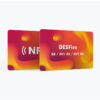 In today's digital age, contactless technology has revolutionized how we interact with the world. RFID (Radio Frequency Identification) and NFC (Near Field Communication) technologies enable seamless transactions, access control, and data exchange. However, this convenience comes with security risks that many users overlook. My personal experience with digital security began when I noticed unauthorized charges on my contactless credit card. This incident prompted me to explore protective measures, leading me to discover the importance of RFID and NFC blocking cards.
## How RFID and NFC Blocking Cards Work
RFID and NFC blocking cards utilize advanced materials and technology to create a protective shield around your sensitive cards. These blocking cards typically contain a Faraday cage material that disrupts electromagnetic fields, preventing unauthorized scanning of your credit cards, passports, and other RFID-enabled items.
In today's digital age, contactless technology has revolutionized how we interact with the world. RFID (Radio Frequency Identification) and NFC (Near Field Communication) technologies enable seamless transactions, access control, and data exchange. However, this convenience comes with security risks that many users overlook. My personal experience with digital security began when I noticed unauthorized charges on my contactless credit card. This incident prompted me to explore protective measures, leading me to discover the importance of RFID and NFC blocking cards.
## How RFID and NFC Blocking Cards Work
RFID and NFC blocking cards utilize advanced materials and technology to create a protective shield around your sensitive cards. These blocking cards typically contain a Faraday cage material that disrupts electromagnetic fields, preventing unauthorized scanning of your credit cards, passports, and other RFID-enabled items.
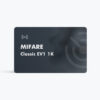
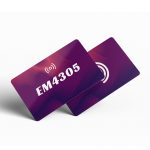 During my research phase, I tested various blocking solutions and discovered that not all products offer equal protection. Some cheaper alternatives failed to block certain frequencies, while premium products provided comprehensive coverage. This hands-on testing process revealed the importance of understanding technical specifications before making a purchase.
## Technical Specifications of RFID/NFC Blocking Cards
**TIANJUN RFID/NFC Blocking Card Technical Parameters:**
* **Dimensions:** 85.6mm × 54mm × 0.76mm (standard credit card size)
* **Operating Frequency Range:** 13.56 MHz (covers both RFID and NFC bands)
* **Blocking Material:** Multi-layer electromagnetic shielding composite
During my research phase, I tested various blocking solutions and discovered that not all products offer equal protection. Some cheaper alternatives failed to block certain frequencies, while premium products provided comprehensive coverage. This hands-on testing process revealed the importance of understanding technical specifications before making a purchase.
## Technical Specifications of RFID/NFC Blocking Cards
**TIANJUN RFID/NFC Blocking Card Technical Parameters:**
* **Dimensions:** 85.6mm × 54mm × 0.76mm (standard credit card size)
* **Operating Frequency Range:** 13.56 MHz (covers both RFID and NFC bands)
* **Blocking Material:** Multi-layer electromagnetic shielding composite
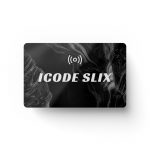 * **Chip Technology:** Passive blocking mechanism (no battery required)
* **Temperature Resistance:** -20°C to 60°C
* **Durability:** 10+ years under normal usage conditions
* **Compatibility:** Blocks all ISO/IEC 14443 A & B, ISO 15693, and Felica standards
*Note: These technical parameters are reference data. For specific requirements and customized solutions, please contact our backend management team.*
* **Chip Technology:** Passive blocking mechanism (no battery required)
* **Temperature Resistance:** -20°C to 60°C
* **Durability:** 10+ years under normal usage conditions
* **Compatibility:** Blocks all ISO/IEC 14443 A & B, ISO 15693, and Felica standards
*Note: These technical parameters are reference data. For specific requirements and customized solutions, please contact our backend management team.*
 ## Personal Experience with Digital Protection
My journey with RFID security began unexpectedly. While attending a technology conference, I carried multiple contactless cards in my wallet. During a crowded networking session, I later discovered that my transit card had been scanned multiple times without my
## Personal Experience with Digital Protection
My journey with RFID security began unexpectedly. While attending a technology conference, I carried multiple contactless cards in my wallet. During a crowded networking session, I later discovered that my transit card had been scanned multiple times without my
In today's digital age, contactless technology has revolutionized how we interact with the world. RFID (Radio Frequency Identification) and NFC (Near Field Communication) technologies enable seamless transactions, access control, and data exchange. However, this convenience comes with security risks that many users overlook. My personal experience with digital security began when I noticed unauthorized charges on my contactless credit card. This incident prompted me to explore protective measures, leading me to discover the importance of RFID and NFC blocking cards.
## How RFID and NFC Blocking Cards Work
RFID and NFC blocking cards utilize advanced materials and technology to create a protective shield around your sensitive cards. These blocking cards typically contain a Faraday cage material that disrupts electromagnetic fields, preventing unauthorized scanning of your credit cards, passports, and other RFID-enabled items.
During my research phase, I tested various blocking solutions and discovered that not all products offer equal protection. Some cheaper alternatives failed to block certain frequencies, while premium products provided comprehensive coverage. This hands-on testing process revealed the importance of understanding technical specifications before making a purchase.
## Technical Specifications of RFID/NFC Blocking Cards
**TIANJUN RFID/NFC Blocking Card Technical Parameters:**
* **Dimensions:** 85.6mm × 54mm × 0.76mm (standard credit card size)
* **Operating Frequency Range:** 13.56 MHz (covers both RFID and NFC bands)
* **Blocking Material:** Multi-layer electromagnetic shielding composite
* **Chip Technology:** Passive blocking mechanism (no battery required)
* **Temperature Resistance:** -20°C to 60°C
* **Durability:** 10+ years under normal usage conditions
* **Compatibility:** Blocks all ISO/IEC 14443 A & B, ISO 15693, and Felica standards
*Note: These technical parameters are reference data. For specific requirements and customized solutions, please contact our backend management team.*
## Personal Experience with Digital Protection
My journey with RFID security began unexpectedly. While attending a technology conference, I carried multiple contactless cards in my wallet. During a crowded networking session, I later discovered that my transit card had been scanned multiple times without my
Frequently Asked Questions
What is the typical read range for RFID systems?
RFID systems offer varying read ranges: HF/NFC systems work within 10cm, while UHF RFID systems can achieve up to 15 meters depending on antenna design and power output.
How secure are modern RFID access control systems?
Modern RFID systems implement 128-bit or 256-bit encryption, mutual authentication protocols, and secure key storage to prevent unauthorized access and cloning.