# Scannable Membership Cards: The Future of Seamless Access and Engagement
 ## Introduction to Scannable Membership Cards
Scannable membership cards have revolutionized the way organizations manage access, loyalty, and engagement. Unlike traditional plastic cards or paper-based systems, scannable membership cards leverage **Radio-Frequency Identification (RFID)** and **Near-Field Communication (NFC)** technologies to deliver instant, contactless, and secure interactions. These cards are embedded with microchips and antennas that communicate with readers when brought into proximity, enabling automatic data exchange. Whether you are a gym owner, a library manager, or a retail business operator, adopting scannable membership cards can streamline operations, enhance user experience, and reduce administrative overhead.
## Introduction to Scannable Membership Cards
Scannable membership cards have revolutionized the way organizations manage access, loyalty, and engagement. Unlike traditional plastic cards or paper-based systems, scannable membership cards leverage **Radio-Frequency Identification (RFID)** and **Near-Field Communication (NFC)** technologies to deliver instant, contactless, and secure interactions. These cards are embedded with microchips and antennas that communicate with readers when brought into proximity, enabling automatic data exchange. Whether you are a gym owner, a library manager, or a retail business operator, adopting scannable membership cards can streamline operations, enhance user experience, and reduce administrative overhead.
 ## How RFID and NFC Power Scannable Membership Cards
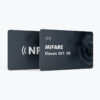 At the core of scannable membership cards are two primary technologies: **RFID** and **NFC**. RFID operates at various frequencies, with the most common being Low Frequency (LF, 125 kHz), High Frequency (HF, 13.56 MHz), and Ultra-High Frequency (UHF, 860-960 MHz). For membership cards, HF RFID (13.56 MHz) is typically used because it balances read range (up to 10 cm) and data transfer speed. NFC, a subset of HF RFID, operates at the same frequency but is designed for two-way communication between devices, making it ideal for smartphones and modern readers.
### Technical Specifications of Scannable Membership Cards
When designing a scannable membership card, consider the following technical parameters:
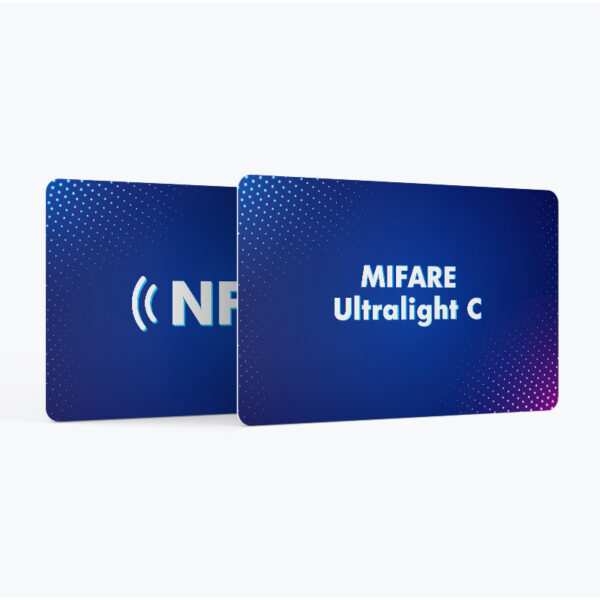
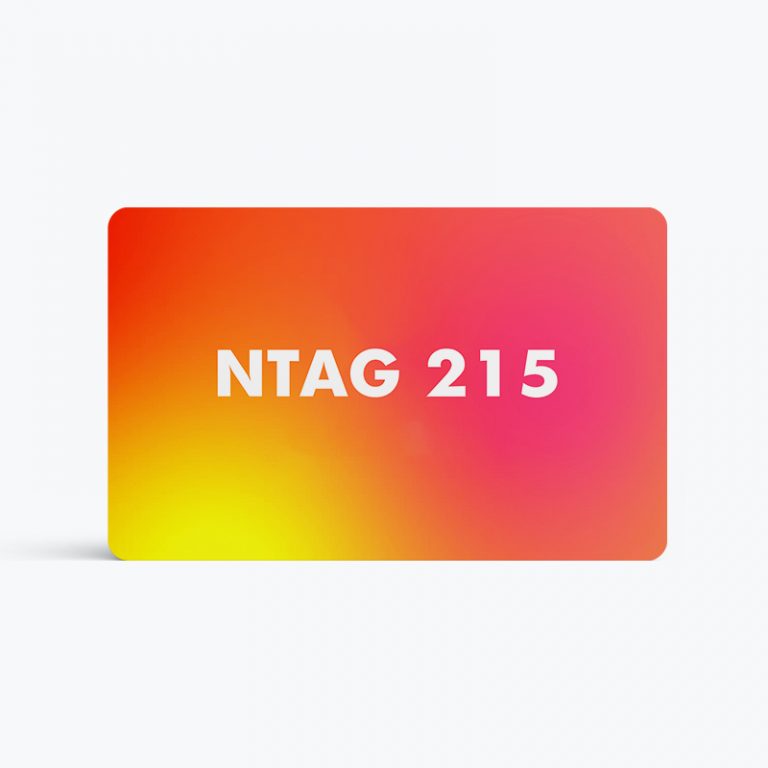
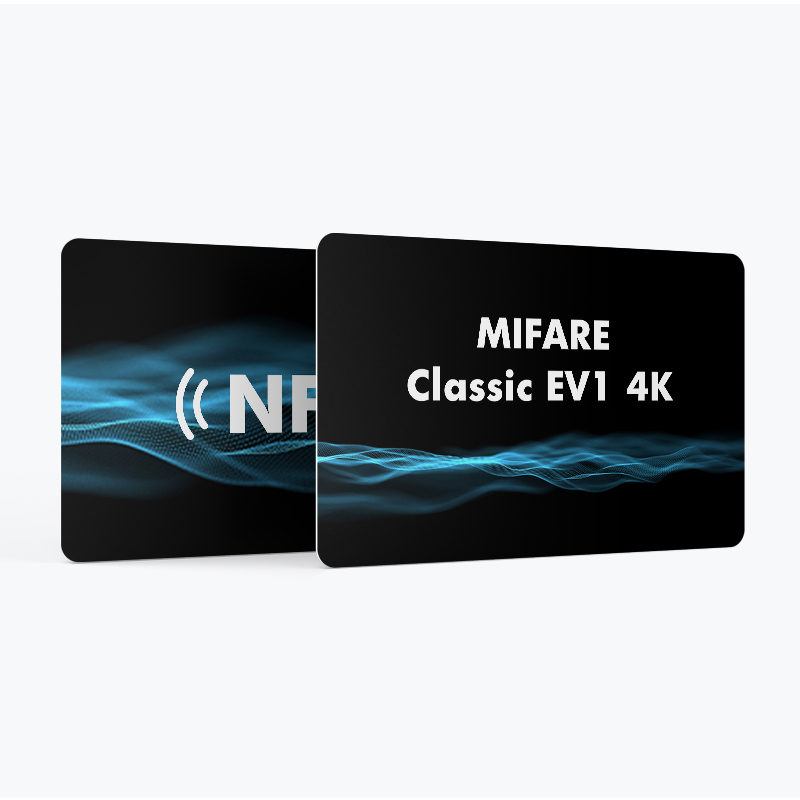
- **Chip Type**: Common chips include NXP MIFARE Classic 1K, MIFARE DESFire EV2, or NTAG213 for NFC applications. The MIFARE Classic 1K has 1 KB of EEPROM memory, divided into 16 sectors with 4 blocks each. Each block holds 16 bytes, allowing storage of membership ID, expiration date, and access levels.
- **Operating Frequency**: 13.56 MHz (HF) for both RFID and NFC.
- **Read Range**: Typically 2–10 cm depending on antenna design and reader sensitivity. For UHF RFID, read range can extend to 5 meters, but this is less common for
At the core of scannable membership cards are two primary technologies: **RFID** and **NFC**. RFID operates at various frequencies, with the most common being Low Frequency (LF, 125 kHz), High Frequency (HF, 13.56 MHz), and Ultra-High Frequency (UHF, 860-960 MHz). For membership cards, HF RFID (13.56 MHz) is typically used because it balances read range (up to 10 cm) and data transfer speed. NFC, a subset of HF RFID, operates at the same frequency but is designed for two-way communication between devices, making it ideal for smartphones and modern readers.
### Technical Specifications of Scannable Membership Cards
When designing a scannable membership card, consider the following technical parameters:
- **Chip Type**: Common chips include NXP MIFARE Classic 1K, MIFARE DESFire EV2, or NTAG213 for NFC applications. The MIFARE Classic 1K has 1 KB of EEPROM memory, divided into 16 sectors with 4 blocks each. Each block holds 16 bytes, allowing storage of membership ID, expiration date, and access levels.
- **Operating Frequency**: 13.56 MHz (HF) for both RFID and NFC.
- **Read Range**: Typically 2–10 cm depending on antenna design and reader sensitivity. For UHF RFID, read range can extend to 5 meters, but this is less common for
## Introduction to Scannable Membership Cards
Scannable membership cards have revolutionized the way organizations manage access, loyalty, and engagement. Unlike traditional plastic cards or paper-based systems, scannable membership cards leverage **Radio-Frequency Identification (RFID)** and **Near-Field Communication (NFC)** technologies to deliver instant, contactless, and secure interactions. These cards are embedded with microchips and antennas that communicate with readers when brought into proximity, enabling automatic data exchange. Whether you are a gym owner, a library manager, or a retail business operator, adopting scannable membership cards can streamline operations, enhance user experience, and reduce administrative overhead.
## How RFID and NFC Power Scannable Membership Cards
At the core of scannable membership cards are two primary technologies: **RFID** and **NFC**. RFID operates at various frequencies, with the most common being Low Frequency (LF, 125 kHz), High Frequency (HF, 13.56 MHz), and Ultra-High Frequency (UHF, 860-960 MHz). For membership cards, HF RFID (13.56 MHz) is typically used because it balances read range (up to 10 cm) and data transfer speed. NFC, a subset of HF RFID, operates at the same frequency but is designed for two-way communication between devices, making it ideal for smartphones and modern readers.
### Technical Specifications of Scannable Membership Cards
When designing a scannable membership card, consider the following technical parameters:
- **Chip Type**: Common chips include NXP MIFARE Classic 1K, MIFARE DESFire EV2, or NTAG213 for NFC applications. The MIFARE Classic 1K has 1 KB of EEPROM memory, divided into 16 sectors with 4 blocks each. Each block holds 16 bytes, allowing storage of membership ID, expiration date, and access levels.
- **Operating Frequency**: 13.56 MHz (HF) for both RFID and NFC.
- **Read Range**: Typically 2–10 cm depending on antenna design and reader sensitivity. For UHF RFID, read range can extend to 5 meters, but this is less common for
Frequently Asked Questions
What is the typical range of RFID systems?
RFID systems vary in range from a few centimeters (HF/NFC) up to 15 meters (UHF systems), depending on frequency and antenna design.
How secure are RFID access control systems?
Modern RFID systems employ 128-bit or 256-bit encryption, mutual authentication, and secure key storage to prevent unauthorized access.